
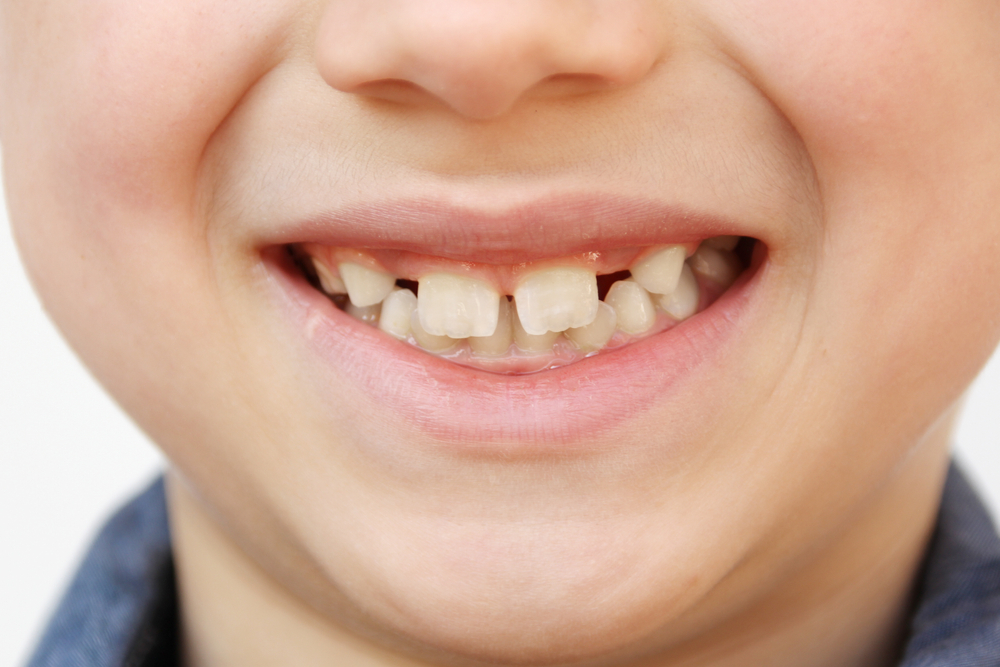
How To Tell If Your Child Has a Chipped Tooth
21 Apr 2026
Not every chipped tooth is obvious. Sometimes a child falls, hits their mouth, and you can see the damage right away. But just as often, a chip goes unnoticed for days or even weeks because it is small, painless, or hidden on a back tooth your child never mentioned.
If you suspect your child may have chipped a tooth but you are not entirely sure, the fastest way to confirm it is to know what to look for. There are visual signs you can check in under a minute, symptoms your child may describe, and behavioural clues in younger children who cannot tell you what they are feeling.
The pediatric dental team at Kids Dental Group sees chipped teeth regularly. In many cases, the parent who caught it early saved their child from a bigger problem down the road.
How To Tell If Your Child Has a Chipped Tooth
Start with a visual check. Have your child sit in good lighting (natural light near a window works well) and open their mouth wide. Check the front teeth first, since those are the most common teeth to chip, then work your way to the sides and back.
Run a clean finger along the biting edges of the upper and lower front teeth. You are feeling for anything uneven, rough, or sharp. A chipped tooth often has a jagged edge that catches on your fingertip. Compare the tooth to the one next to it. Teeth on the same side of the mouth tend to mirror each other in shape, so if one looks shorter, flatter, or more uneven than its match, that is worth noting.
Look at the surface of each tooth. A chip on the enamel sometimes shows up as a small white or off-white line near the edge of the tooth. If the chip is deeper, you may see a yellowish area (that is the dentin layer underneath the enamel) or in more serious cases a pink or reddish spot (which can indicate that the nerve is close to the surface).
Check the back teeth too. Chips on molars are harder to spot because you cannot see them when your child smiles. But they are common, especially in children who chew ice, bite hard candy, or grind their teeth at night. Feel the chewing surfaces with your finger for any pits, rough patches, or missing edges.
If the tooth looks intact but your child is still complaining, the chip may be on the back surface of the tooth (the tongue side), which is almost impossible to see without a mirror or a dental exam. It can also be a hairline crack that is too small to see but large enough to cause sensitivity.
Common Symptoms (Sensitivity, Pain When Eating or Drinking)
Sometimes the chip is too small to see, but your child can feel it. These are the symptoms that point to a chipped tooth even when the tooth looks fine from the outside.
Sensitivity to temperature. If your child suddenly flinches or pulls away when drinking something cold or eating something hot, and this is new behaviour, it could mean the enamel is compromised. A chip that exposes the dentin layer underneath makes the tooth more sensitive to temperature changes because the dentin contains tiny tubes that connect to the nerve.
Pain when biting down. A chip that is not visible on the surface can still create a weak point in the tooth. When your child bites down on something hard, the pressure shifts unevenly and produces a sharp pain. If your child mentions that it hurts to chew on one side or starts avoiding certain foods, ask which tooth it is and check that area carefully.
Tongue or cheek irritation. A chipped tooth often has a sharp or rough edge that rubs against the tongue or the inside of the cheek. If your child keeps running their tongue over the same spot, that repetitive motion is a sign that something feels different. You may also notice a small sore or red patch on the inside of their cheek near the tooth in question.
Sensitivity to sweet foods. This one surprises many parents. If the chip has exposed the dentin, sugary foods can trigger discomfort because sugar draws fluid through those tiny dentin tubes toward the nerve. A child who suddenly stops wanting candy or complains that juice hurts their tooth is giving you a useful clue.
Intermittent pain that comes and goes. A hairline crack or small chip does not always hurt constantly. It may only produce pain when the tooth flexes slightly during chewing. If your child reports tooth pain that seems random and inconsistent, a small chip is one of the more common explanations.
Behavioural Clues in Younger Children
Children under five or six often cannot describe tooth pain clearly. They may not connect the discomfort they feel with a specific tooth, or they may not mention it at all because it only bothers them at certain moments. In these cases, behaviour is your best diagnostic tool.
Refusing foods they normally eat. If your child suddenly pushes away apples, carrots, crackers, or anything that requires firm biting, and this is a change from their usual habits, check their teeth. They may have learned through experience that biting down on that side hurts, even if they cannot explain why.
Chewing only on one side. Watch your child during meals. If they consistently tilt their head or move food to one side of their mouth, they are protecting a tooth on the other side. This is one of the most reliable behavioural signs of a dental issue in young children.
Increased fussiness around meals or brushing. A child who suddenly resists brushing after months of cooperating may be avoiding a sensitive area. The same goes for a child who becomes irritable at mealtimes but is fine the rest of the day. The pattern matters. If the fussiness clusters around eating and oral care, it is worth checking the teeth.
Touching or rubbing their face. Young children who feel tooth pain sometimes press their hand against their cheek or jaw on the affected side. They may not know it is a tooth. They just know something on that side of their face does not feel right.
Drooling more than usual. In toddlers, increased drooling can sometimes be linked to a rough or sharp tooth edge irritating the inside of the mouth. If the drooling starts suddenly and is not connected to teething age, take a look inside.
If you notice any combination of these behaviours, do a visual check using the steps above. If you can see a chip, you have your answer. If you cannot see anything but the behaviours persist, a pediatric dentist can identify chips and cracks that are not visible to the naked eye using X-rays or magnification.
Your Next Step
If you have confirmed a chip or you are still not sure after checking, one visit to a pediatric dentist gives you a definitive answer. They can identify exactly what happened, tell you whether it needs treatment or monitoring, and walk you through what to expect.
At Kids Dental Group, our pediatric specialists assess chipped teeth every day. Book an appointment and we will take a close look, explain what we find, and make sure nothing is missed.