
What To Do If Your Child Has a Broken Tooth
21 Apr 2026
If your child just broke a tooth, the first thing to know is that a broken tooth in a child is treatable in most cases. How urgently it needs attention depends on a few specific things, and once you know what to look for, the next step becomes clear.
Most parents freeze in this moment. The tooth looks damaged, your child may be crying or bleeding, and you are trying to figure out whether to drive to the dentist right now or whether it can wait until morning. That hesitation is normal, but it usually comes from not knowing which details actually matter.
The pediatric dental team at Kids Dental Group sees broken teeth regularly and can assess the damage quickly. Here is what you need to know to make the right call.
How to Tell if Your Child Has a Broken Tooth
A broken tooth is usually more obvious than a chip. You may see a visible crack, a missing piece large enough to change the shape of the tooth, or a rough jagged edge. In some cases the break happens below the gumline and is not visible at all, but your child will tell you something is wrong because it hurts.
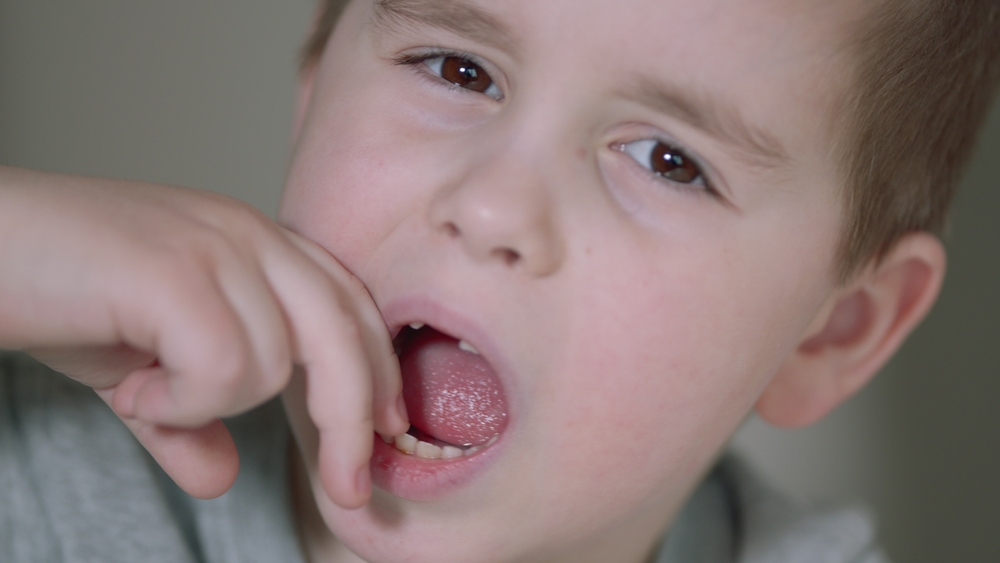
Have your child open their mouth in good lighting. Look at the tooth from the front and the back. Check whether the break is on the surface only or whether it goes deeper into the tooth structure.
Signs of Minor vs More Severe Damage
A minor break usually means a small piece of enamel is gone. The tooth is still stable, the gum looks normal, and there is no visible pink or red inside the tooth. Your child may feel a sharp edge with their tongue but may not be in significant pain.
A more severe break looks different. If you can see a pink or dark area inside the tooth, that means the dentin or the nerve (pulp) may be exposed. If the tooth is loose, displaced, or if a large section is missing, the break goes beyond the surface. Bleeding from the tooth itself rather than the surrounding gum is another sign that the damage is deeper and needs prompt attention.
Symptoms to Watch For (Pain, Sensitivity, Trauma)
A broken tooth from a fall or impact often comes with swelling, bleeding, and pain that your child can clearly feel. Watch for sensitivity to cold or hot foods, refusal to eat on one side, or visible flinching when the tooth is touched. If the break resulted from trauma, check the gums for swelling, the lips for cuts, the surrounding teeth for looseness, and the jaw for tenderness. A tooth that starts to darken over the following days can indicate nerve damage that was not obvious at first.
What to Do Immediately After You Notice a Broken Tooth
Your child will take their cues from you, so stay steady. If there is bleeding, have your child rinse gently with water and press clean gauze against the area. Bleeding usually slows within 10 to 15 minutes. If it does not stop, call your dentist.
If you can find the broken piece, place it in a small container with milk or water. A pediatric dentist may be able to bond it back on, especially if it is a larger piece from a permanent tooth. If the tooth has a sharp or jagged edge, cover it with sugar-free gum or dental wax to protect the tongue and cheek.
Avoid hard or sticky foods. Apply a cold cloth to the outside of the cheek to reduce swelling. Give children’s acetaminophen or ibuprofen for pain. Do not give aspirin.
Call your dentist as soon as possible. A broken tooth generally warrants a same-day or next-day visit, especially if there is pain, visible nerve exposure, looseness, or swelling.
Did Your Child Break a Tooth?
Our pediatric dental team can help assess how urgent it is and guide you on what to do next.
"*" indicates required fields
When You Should See a Dentist
See a dentist the same day if your child is in pain, if the tooth is loose or pushed out of position, if you can see pink or red inside the break, or if there is facial swelling. A break that exposes the nerve needs attention within hours, not days, to give the tooth the best chance of being saved.
Book within a day or two if the break is smaller, the tooth is stable, and your child is not in significant pain. Even if the tooth feels fine, a dentist should evaluate it because cracks can extend below the surface in ways that are not visible from the outside.
Treatment Options for a Broken Tooth
Treatment depends on how much of the tooth is missing, whether the nerve is exposed, which tooth is involved, and your child’s age.
When No Treatment Is Needed
This is less common with a broken tooth than with a small chip, but it can happen. If the break is minor, the tooth is a baby tooth close to falling out, and there is no pain or sensitivity, your dentist may smooth the edge and monitor it.
Fillings for Sensitivity or Larger Breaks
If the break exposes the dentin but the nerve is intact, a filling or tooth-coloured bonding material can seal and protect the tooth. For front permanent teeth, bonding is shaped directly onto the tooth in a single visit and colour-matched so it blends in.
When a Crown May Be Recommended
If a large portion of the tooth is missing, a crown may be the best way to protect what remains. For baby teeth, stainless steel crowns are durable and stay in place until the tooth falls out naturally. If the nerve is exposed, the dentist may need to perform a pulp treatment before placing the crown. This removes the damaged nerve tissue and seals the inside of the tooth so it can continue to function.
What Factors Affect Treatment Decisions
Size and Location of the Break
A break on a front tooth is more visible and more likely to have sharp edges. A break on a molar affects chewing force. The size of the break tells the dentist how much structure is left and whether a filling, bonding, or crown is the right approach.
Age and Tooth Development
A broken baby tooth is managed differently than a broken permanent tooth. Baby teeth will eventually fall out. Permanent teeth that have recently erupted may still have developing roots, which affects treatment options and makes monitoring more important.
How to Manage Your Child’s Pain at Home
Children’s acetaminophen or ibuprofen at the recommended dosage is the first step. A cold cloth or popsicle against the cheek can reduce swelling. Stick with soft, room-temperature foods until the tooth has been seen. Remind your child not to bite down on anything hard with the damaged tooth.
Risks of Leaving a Broken Tooth Untreated
A break that has been assessed and treated carries minimal risk. A break that has not been looked at is a different situation. Exposed dentin or nerve tissue allows bacteria in, which can lead to infection. An infected baby tooth can damage the permanent tooth forming underneath. A jagged edge causes repeated cuts to the tongue and cheek. A weakened tooth is more likely to fracture further from a second impact. One visit prevents most of these outcomes.
Did Your Child Break a Tooth?
Our pediatric dental team can help assess how urgent it is and guide you on what to do next.
"*" indicates required fields
Will a Broken Tooth Affect Your Child Long-Term?
Appearance and Cosmetic Concerns
A broken baby tooth is temporary. If it is a permanent tooth, bonding or a crown can restore the shape closely enough that most people will not notice. If the break bothers your child, cosmetic repair can be done on baby teeth too.
Impact on Adult Teeth and Development
A broken baby tooth usually does not affect the permanent tooth underneath unless it becomes infected. If the break is on a developing permanent tooth, your dentist will monitor the root and nerve over time. Early treatment gives the tooth the best chance of continued healthy development.
What to Expect After Treatment
Follow-Up Care and Monitoring
Your dentist will recheck the tooth at a follow-up visit to make sure the repair is holding and the nerve is responding normally. If bonding was placed, remind your child to avoid biting directly into hard foods with the repaired tooth. If a crown was placed, watch the gum around it for redness or swelling.
When a Broken Tooth Might Be More Than Just a Break
A tooth that breaks during normal activity rather than from a fall or impact may have weakened enamel. If your child has broken more than one tooth, mention it to your dentist. They can evaluate whether the enamel needs extra protection through sealants or fluoride treatments. A tooth that darkens after a break is worth a follow-up, as darkening can indicate nerve damage.
Your Next Step
If your child has a broken tooth, the fastest way to know what it needs is to have a pediatric dentist take a look. One visit tells you whether the tooth can be repaired, needs a crown, or just needs monitoring, and you leave with a clear plan.
At Kids Dental Group, our pediatric specialists handle broken teeth regularly. Book an appointment and we will assess the damage, explain what we find, and give you a clear next step so you are not left guessing.