Does My Child Really Need Dental Sedation For Their Treatment?
30 Jul 2026
If your child’s dentist has recommended sedation, it’s completely normal to have questions.
Is it really necessary? Will my child be asleep? Why has sedation been recommended for my child?
This guide explains when pediatric dentists recommend sedation, the different types of sedation available, how they decide which option is appropriate, and what parents can expect before, during, and after treatment.
Key takeaways
- Does every child need dental sedation? It’s usually recommended only when it makes treatment safer or more comfortable for a child’s specific needs.
- Sedation is recommended on a case-by-case basis. Learn how pediatric dentists decide whether it’s appropriate.
- Pediatric dentists consider several factors before recommending sedation. Age, medical history, behaviour, treatment complexity, and alternative behaviour-guidance techniques all play a role.
- We offer three sedation options. Compare laughing gas, oral sedation, and general anesthesia.
- Know what to expect before the appointment. Learn about preparation, recovery, costs, and insurance coverage.
Does every child need dental sedation?
Sedation isn’t recommended for every dental visit. Your pediatric dentist will recommend it based on your child’s age, treatment needs, medical history, behaviour, and overall comfort.
Checkups, cleanings, X-rays, and many simple fillings can often be completed without sedation. Pediatric dentists recommend sedation only when it helps make treatment safer or more comfortable.
For example, a calm eight-year-old having one filling has different needs than a two-year-old requiring several procedures.
The recommendation depends on your child’s age, development, treatment needs, and ability to cooperate, not simply the procedure itself.
When do kids need sedation for dental work?
Dental sedation is typically recommended when completing treatment comfortably and safely would otherwise be difficult.
Every child is different, but pediatric dentists commonly recommend sedation in situations like these:
- Needs extensive treatment, such as multiple fillings, crowns, or extractions.
- Is very young and unable to sit still for longer procedures.
- Has significant dental anxiety or a previous negative dental experience.
- Has special healthcare needs or sensory sensitivities.
- Has a strong gag reflex.
- Needs urgent treatment while in pain.
In each of these cases, the goal is the same: get the treatment done safely and completely, ideally in fewer appointments, without your child leaving with a bad memory of the dentist.
If your dentist has recommended sedation, or you’re unsure whether it’s the right option, our pediatric specialists can explain why it may be appropriate, discuss alternatives, and answer all of your questions before any treatment begins. Book online or call any of our four locations.
How do pediatric dentists decide if sedation is appropriate?
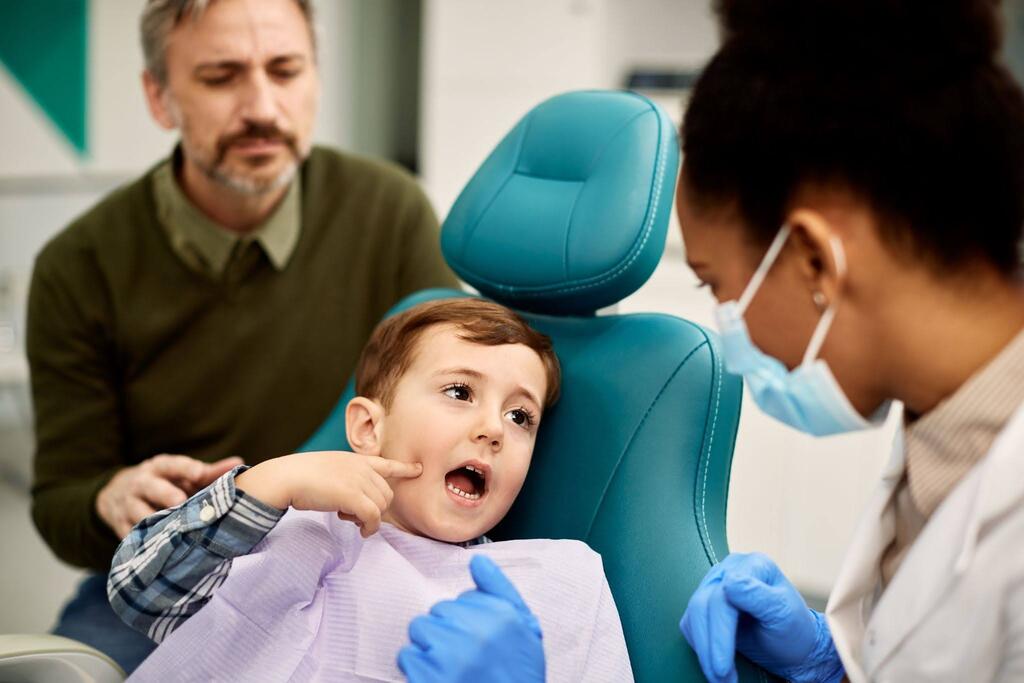
Pediatric dentists don’t recommend sedation based on a single factor. Instead, they consider your child’s age, medical history, anxiety level, treatment needs, and ability to comfortably cooperate during the procedure.
Before recommending sedation, they’ll ask questions like:
- How old is your child?
- What treatment is needed, and how long will it take?
- Has your child had a difficult dental experience before?
- Can they safely remain still throughout the procedure?
- Do they have any medical conditions, developmental needs, or sensory sensitivities?
Sedation isn’t the first option
Whenever possible, pediatric dentists use non-sedation techniques first, such as:
- Explaining each step using age-appropriate language
- The tell-show-do technique
- Positive reinforcement
- Taking breaks when needed
- Scheduling shorter appointments
Behaviour-guidance techniques are always considered alongside sedation. Depending on your child’s needs and the treatment being performed, your pediatric dentist will recommend the approach that allows treatment to be provided safely and comfortably.
Before moving forward, your dentist will explain why sedation is being recommended, discuss any appropriate alternatives, outline the benefits and risks, and answer your questions so you feel confident in the treatment plan.
What types of dental sedation are available?
If sedation is appropriate for your child, your pediatric dentist will recommend the option that best matches their age, medical history, comfort level, and treatment needs.
The three most common types of pediatric dental sedation include:
Nitrous oxide (laughing gas)
The mildest option. Your child stays awake while feeling calm and relaxed.
Oral sedation
Medication taken before the appointment that helps your child feel drowsy but responsive.
General anesthesia
Your child is fully asleep. Typically recommended for extensive treatment or when other options aren’t appropriate.
You may also hear the term “conscious sedation.” This refers to sedation that helps your child feel relaxed and comfortable while remaining awake and able to respond. Laughing gas and oral sedation are both forms of conscious sedation, while general anesthesia is different because your child is fully asleep.
Every child is different, which is why there isn’t a “best” type of sedation. The right option depends on your child’s individual needs and the treatment being performed.
What should parents expect if sedation is recommended?
If sedation is part of your child’s treatment plan, your dental team will explain what to expect before, during, and after the appointment.
Before the appointment
You’ll receive instructions about eating and drinking before your child’s appointment. For all sedation appointments, you’ll be asked to withhold food and drinks for a specified period beforehand. Following these instructions carefully is important for your child’s safety.
During treatment
Your child will be continuously monitored by trained professionals throughout the procedure. The level of monitoring depends on the type of sedation being used, but their comfort and safety are always the priority.
After treatment
Recovery depends on the type of sedation your child receives. Before you leave, your dental team will explain what to expect during recovery, when your child can eat and drink, any activity restrictions, and when you should contact the clinic with concerns.
What about the cost of dental sedation?
We follow the Pediatric Dentistry Specialist Fee Guide, and your specific costs will be discussed with you before any treatment begins. Final fees vary depending on the type of sedation and the treatment involved.
You can view our current sedation pricing, along with pricing for other pediatric dental services, on our Pricing page.
Some families have coverage through private insurance, and depending on eligibility, the Canadian Dental Care Plan (CDCP) may help as well. Our team confirms your coverage and helps you understand what to expect so there are no surprises.
Frequently asked questions
Is dental sedation safe for children?
When administered by trained pediatric specialists with proper monitoring, sedation has a strong safety record. Your dentist reviews your child’s medical history first and matches the type of sedation to your child’s needs. Ask about monitoring and who administers the sedation so you feel fully informed.
Is sedation only for children with dental anxiety?
No. Anxiety is one reason, but sedation is also recommended for extensive treatment, very young children who cannot sit still for longer procedures, children with special healthcare needs, or a strong gag reflex. It comes down to making care safe and comfortable for your specific child.
Is sedation the only option?
Not always. Pediatric dentists often try behaviour-guidance techniques or break treatment into shorter visits first. Sedation is one tool among several. Ask your dentist what alternatives might work for your child’s situation before deciding.
What does dental sedation cost, and does insurance cover it?
The cost of dental sedation depends on the type of sedation your child needs and the treatment being performed. You can view our current sedation pricing, along with pricing for other pediatric dental services, on our Pricing page. Your treatment plan and costs will always be reviewed with you before care begins. Coverage varies by insurance plan, and eligible families may also receive benefits through the Canadian Dental Care Plan (CDCP).
—
Wondering whether sedation is right for your child? Schedule a consultation and our pediatric and orthodontic specialists will walk you through the options at your child’s pace. Book online or call any of our four locations and our team will help you prepare for a smooth visit.